Yesterday I saw the following thought provoking post pop up a few times in my Google+ feed:
. . . and after having read it, even though it does not turn out to be completely negative in regards to canon and metaplot, I felt as if I had to write something on this same topic.
The first thing I wanted to point out is that I think there is a bit of a difference between the metaplot and canon of something like the Lord of the Rings or Star Wars and something more specifically game related like the Forgotten Realms or Dragonlance.
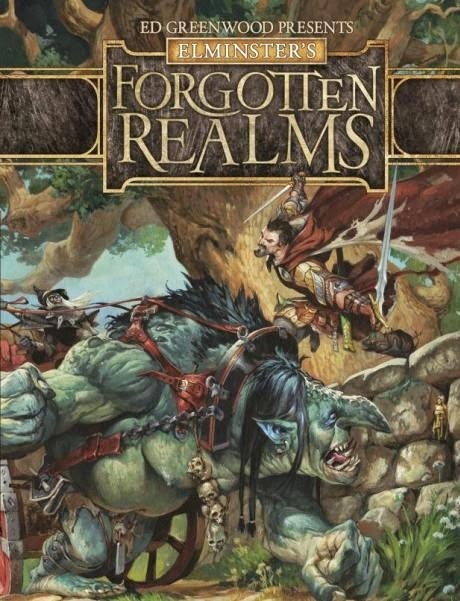
While the Realms existed before D&D, it's been a D&D setting since 1987, and has been used as the flagship of D&D before. I would argue that there are a lot of people that just want to play D&D and don't care about a setting, because the game system has it's own following. I conjecture, and I could be wrong, that often times games the The One Ring or Fantasy Flight's Star Wars games bring people in because of the setting, and then attempt to keep them because of the system.
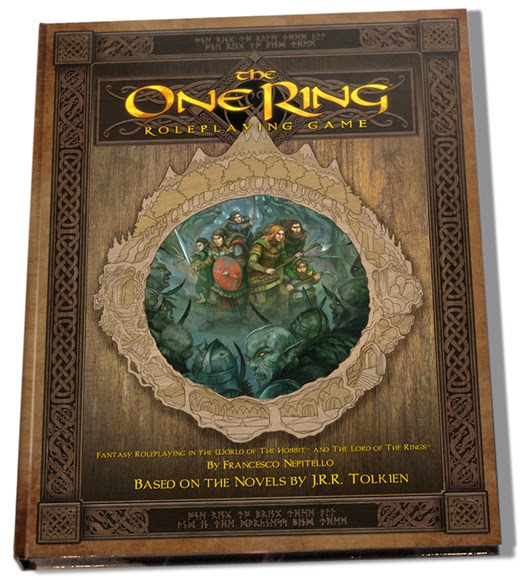
Because of that disclaimer, I'm not going to go too much into game setting canon. But I will argue that people want to play something like The One Ring or the Star Wars RPG because they want to play in a setting that feels familiar to them. What will make them feel familiar is going to vary, but if you aren't hitting a least a few of those notes in the game, you probably aren't scratching the itch that some of the players have when they specifically say "I want to play a game based on this existing property."
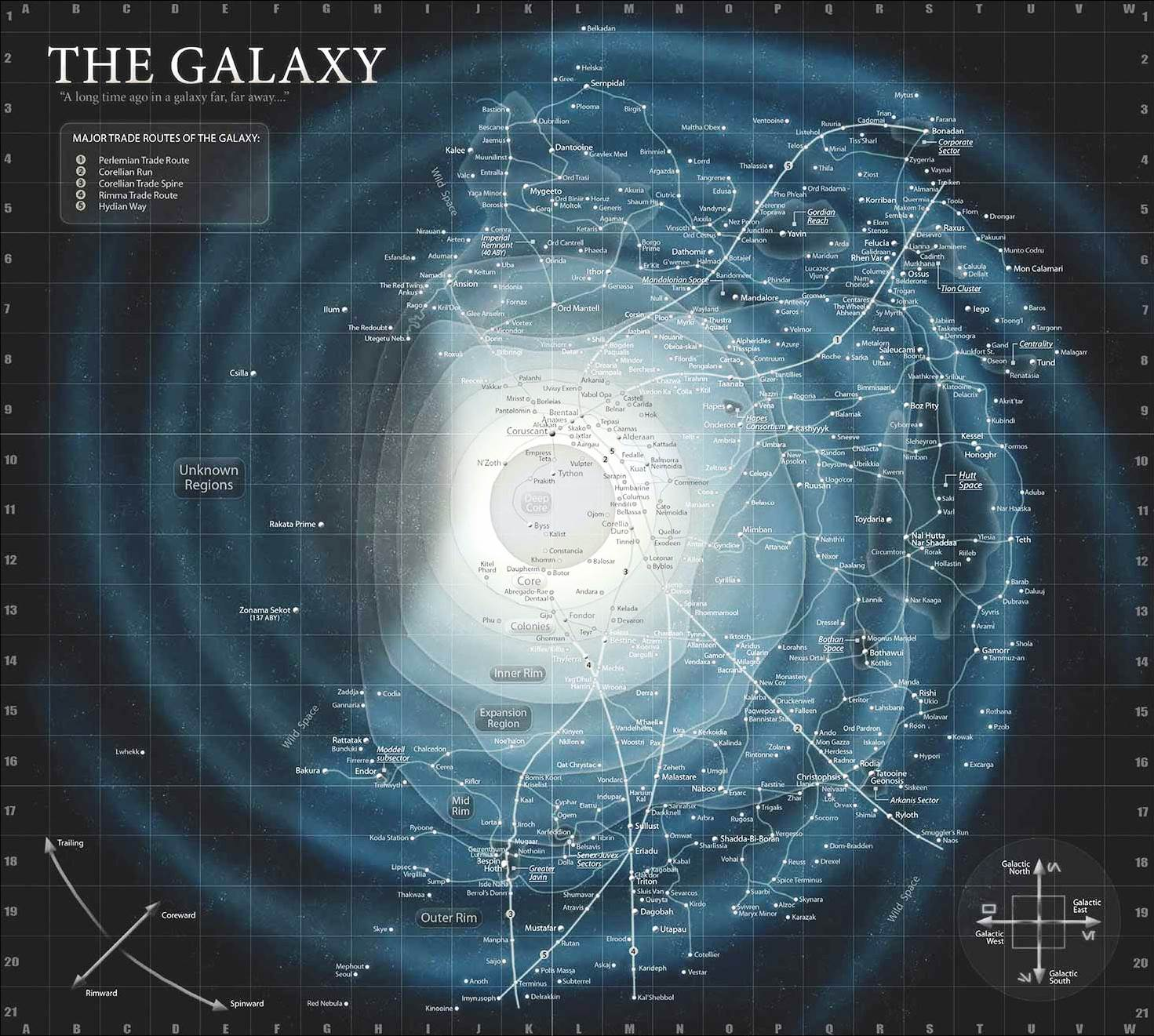
I see arguments that games with heavy metaplots don't have room for the players to be heroes. But many of the settings that I see this complaint levied against are huge settings with a lot of room for characters to explore. The Forgotten Realms is actually a huge setting, even larger if you go by the 1st and 2nd edition scale. Middle-Earth is a pretty big place with decades between the big stories we have seen. The Star Wars galaxy is . . . well . . . it's a galaxy!

Yes, in an established universe, there are some big ticket items your PCs can't do, IF you are planning on sticking with canon. They won't be blowing up the Death Star, or dropping the One Ring into Mount Doom. But is that the only worthy thing that the players can do in that setting that will give them the feeling of that setting?
If you make a big, over the top Moff as a villain with his own shipyard full of ships that will crush the Rebellion if the shipyards aren't destroyed, and your PCs destroy the shipyards and the Moff's flagship, keeping him from helping Vader's Task Force from hammering the Alliance Fleet. If that epic enough for your PCs?
If your treasure hunter in the One Ring find an ancient relic that draws out a barrow wight king to curse the land, is it enough for them to take that relic safely to Rivendell and confront the undead king before he can vent his hatred of the living on the settlements nearest to his grave?
Many times, it seems like the problems with metaplot heavy revolve around expectations. If you talk about the kinds of campaigns you are looking at running before the campaign starts, this is going to fix a whole lot of problems. If you tell your Rebels up front that they are going to try and build a cell from scratch in the Corporate Sector with all new villains, nobody is going to be upset that they don't help save Luke from the Wampa.
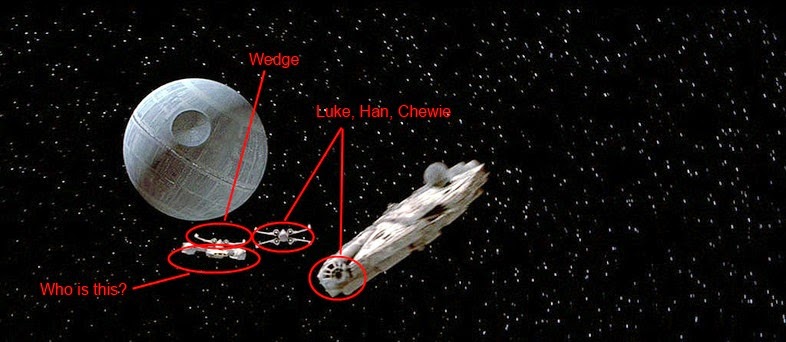
Another problem seems to stem from the idea that a lot of GMs try to create setting flavor by dropping characters into recognizable scenes . . . and then trying to keep them to the side of what actually happened in that scene, so they can be a witness, in real time. To me, this kind of setting tie in is much better handled in backstory rather than in an active game session. Player's in a scene expect to be able to affect that scene, and if you Vader's TIE fighter or the exhaust port, you can't expect them not to take the shot.
This is not to say that people that like a setting, that want the familiar feeling of a setting, don't want to play something that might diverge from canon. But even then, I think it's best to define what exactly is different in this version of the setting, rather than just say, "here is the setting, but anything goes from this point on." That works, but it doesn't really create any expectations. On the other hand, if you are running a game and you specifically define the point of divergence, that gives the players an idea of the kinds of differences they might expect.
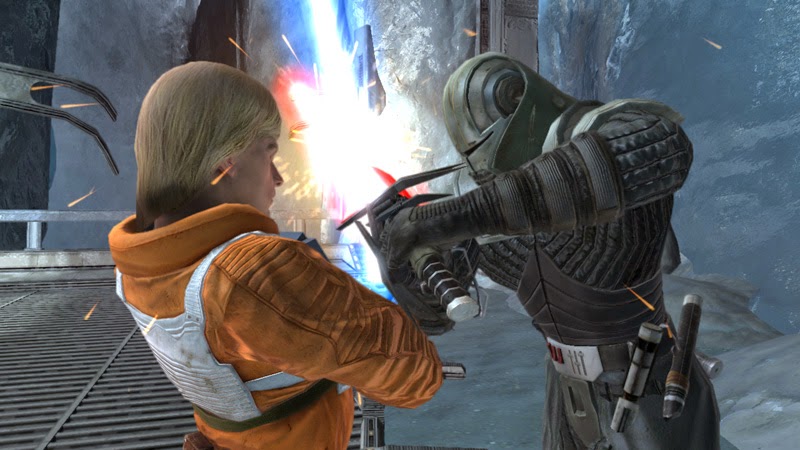
For example, if you want to play a Star Wars game that follows Dark Horse's Infinities Return of the Jedi, or you want to play in a Star Wars galaxy where the Dark Side ending of the Force Unleashed happened, changing the course of the movies, it's best to spell out what that actually means to the campaign, and the players can start making their plans and expressing what they want to do in that kind of setting.
I think overall, metaplot heavy settings have the same pitfalls that any campaigns have, and in the end, the best way to avoid confusion and disappointment over what can and can't happen in the campaign and where the action is going to take place is very important.
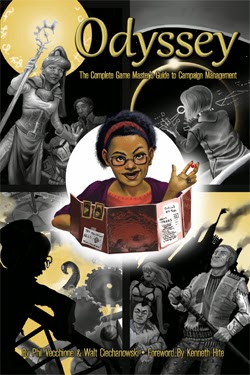
And using that as an aside, Engine Publishing's Odyssey is a great place to start when trying to figure out the questions you need to ask before you start a campaign, and how to get everyone on the same page before you start rolling dice.
. . . and after having read it, even though it does not turn out to be completely negative in regards to canon and metaplot, I felt as if I had to write something on this same topic.
The first thing I wanted to point out is that I think there is a bit of a difference between the metaplot and canon of something like the Lord of the Rings or Star Wars and something more specifically game related like the Forgotten Realms or Dragonlance.
While the Realms existed before D&D, it's been a D&D setting since 1987, and has been used as the flagship of D&D before. I would argue that there are a lot of people that just want to play D&D and don't care about a setting, because the game system has it's own following. I conjecture, and I could be wrong, that often times games the The One Ring or Fantasy Flight's Star Wars games bring people in because of the setting, and then attempt to keep them because of the system.
Because of that disclaimer, I'm not going to go too much into game setting canon. But I will argue that people want to play something like The One Ring or the Star Wars RPG because they want to play in a setting that feels familiar to them. What will make them feel familiar is going to vary, but if you aren't hitting a least a few of those notes in the game, you probably aren't scratching the itch that some of the players have when they specifically say "I want to play a game based on this existing property."
I see arguments that games with heavy metaplots don't have room for the players to be heroes. But many of the settings that I see this complaint levied against are huge settings with a lot of room for characters to explore. The Forgotten Realms is actually a huge setting, even larger if you go by the 1st and 2nd edition scale. Middle-Earth is a pretty big place with decades between the big stories we have seen. The Star Wars galaxy is . . . well . . . it's a galaxy!

Yes, in an established universe, there are some big ticket items your PCs can't do, IF you are planning on sticking with canon. They won't be blowing up the Death Star, or dropping the One Ring into Mount Doom. But is that the only worthy thing that the players can do in that setting that will give them the feeling of that setting?
If you make a big, over the top Moff as a villain with his own shipyard full of ships that will crush the Rebellion if the shipyards aren't destroyed, and your PCs destroy the shipyards and the Moff's flagship, keeping him from helping Vader's Task Force from hammering the Alliance Fleet. If that epic enough for your PCs?
If your treasure hunter in the One Ring find an ancient relic that draws out a barrow wight king to curse the land, is it enough for them to take that relic safely to Rivendell and confront the undead king before he can vent his hatred of the living on the settlements nearest to his grave?
Many times, it seems like the problems with metaplot heavy revolve around expectations. If you talk about the kinds of campaigns you are looking at running before the campaign starts, this is going to fix a whole lot of problems. If you tell your Rebels up front that they are going to try and build a cell from scratch in the Corporate Sector with all new villains, nobody is going to be upset that they don't help save Luke from the Wampa.
Another problem seems to stem from the idea that a lot of GMs try to create setting flavor by dropping characters into recognizable scenes . . . and then trying to keep them to the side of what actually happened in that scene, so they can be a witness, in real time. To me, this kind of setting tie in is much better handled in backstory rather than in an active game session. Player's in a scene expect to be able to affect that scene, and if you Vader's TIE fighter or the exhaust port, you can't expect them not to take the shot.
This is not to say that people that like a setting, that want the familiar feeling of a setting, don't want to play something that might diverge from canon. But even then, I think it's best to define what exactly is different in this version of the setting, rather than just say, "here is the setting, but anything goes from this point on." That works, but it doesn't really create any expectations. On the other hand, if you are running a game and you specifically define the point of divergence, that gives the players an idea of the kinds of differences they might expect.
For example, if you want to play a Star Wars game that follows Dark Horse's Infinities Return of the Jedi, or you want to play in a Star Wars galaxy where the Dark Side ending of the Force Unleashed happened, changing the course of the movies, it's best to spell out what that actually means to the campaign, and the players can start making their plans and expressing what they want to do in that kind of setting.
I think overall, metaplot heavy settings have the same pitfalls that any campaigns have, and in the end, the best way to avoid confusion and disappointment over what can and can't happen in the campaign and where the action is going to take place is very important.
And using that as an aside, Engine Publishing's Odyssey is a great place to start when trying to figure out the questions you need to ask before you start a campaign, and how to get everyone on the same page before you start rolling dice.

No comments:
Post a Comment